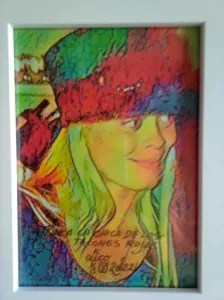
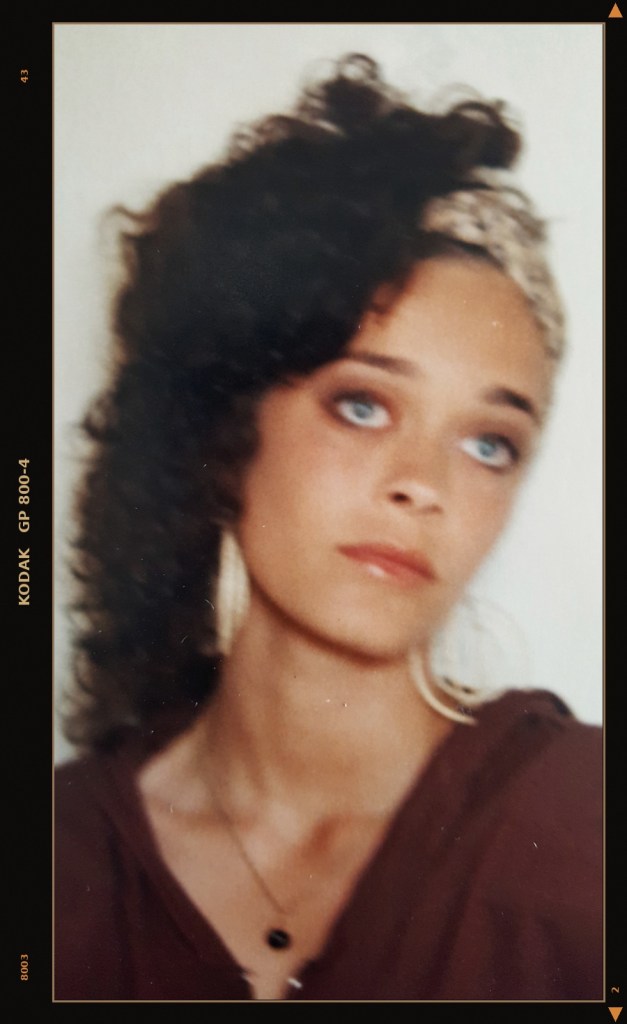
There’s a reason for the teaser I closed the last post with. The story made my daughter say, “wauw, sounds Targaryen.” I didn’t write it to sound like anyone’s fantasy House; I wrote it because that’s what actually happened. The dragons came later, dressed in HBO budgets and wigs. The underlying logic — blood, marriage, mandate — was already there.
In Javanese cosmology there’s a concept called wahyu: a divine mandate, a kind of radiance or pulung that legitimises a ruler. It doesn’t simply pass down a neat patrilineal bloodline; often it’s understood to attach itself through marriage into a lineage that already carries it. Suharto’s own power was popularly read that way — his wife, Ibu Tien, as the minor Solo royal whose wahyu made his long rule feel “ordained,” until her death was quietly taken as the moment his mandate started to fail.
That’s the belief system my fourteen‑year‑old self was dropped into.

My mother’s world ran on that logic, whether anyone bothered to explain it to me or not. The “choices” I was given — live with Uncle Albert and his charming wife Loes or go to Jakarta for “re‑education” with Aunty Fay — were not about my manners. They were about where my body, my blood, and my signature would sit in that invisible diagram.
My father, Dutch commoner, outside of all that, overheard enough to know something was wrong. Not in the abstract, but in the very practical sense of “my child is being positioned as a piece.” He did the only structurally sensible thing an outsider in that system could do: he went sideways, to my grandmother’s sister — a woman married to a diplomat, who understood both the royal houses and the current political machine well enough to see exactly what my mother and Fay were setting up.
She was the one who contacted Nono.
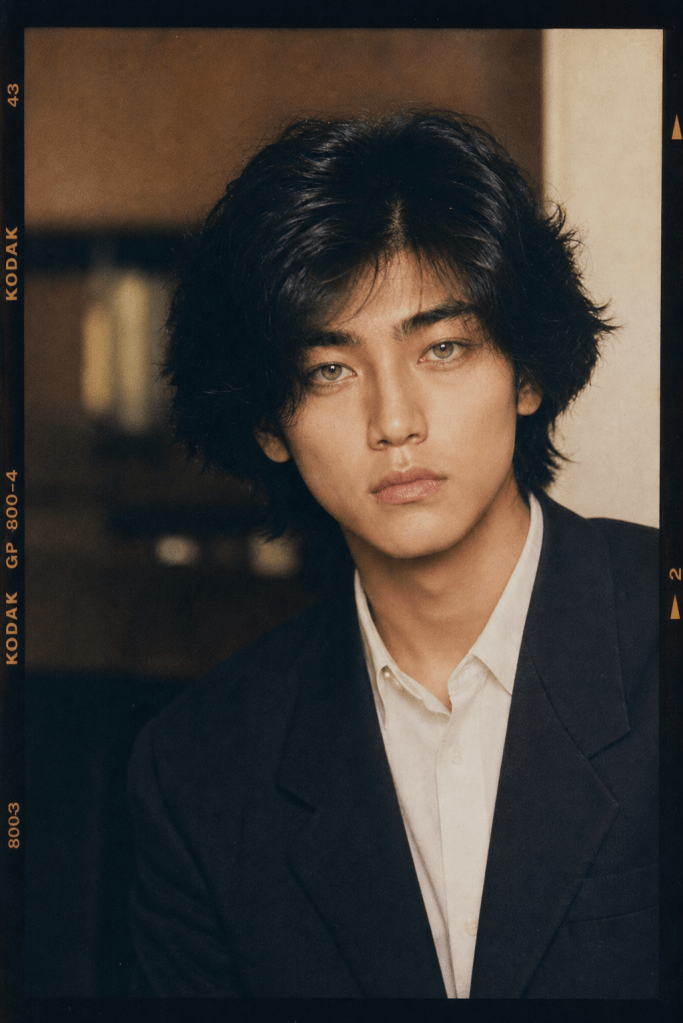
Nono was the rebel, the “useless” son, already exiled by the family for failing to perform the role he’d been assigned. Precisely because he was out, precisely because he had no formal standing left to lose, he was the perfect choice to take on the one job nobody in the official hierarchy was willing to do: be responsible for me.
So he ends up on that Airbus, sleeping mask on, the only other young face in a crowd of Sobo’s and Ah Ma’s. He shows up at Jakarta Golf Club, the boy from the plane suddenly recognised by aunties and ministers. He ends up behind a folding screen kissing his own hand to scare off a man who thinks he’s entitled to claim a girl as his fate. He ends up on a Vespa, in an arcade, teaching me the word wahyu and then insisting
“Tonight can’t be decisive”
“Tonight can’t be decisive,” because he can see the political chessboard I still can’t. And eventually he ends up in my bed, not as a romantic fantasy but as a structural intervention: if the family needs a man to be “responsible” for me in order to legitimize what they’re doing, then he will be the one, not the older brother who thinks I’m his by decree.
Wahyu
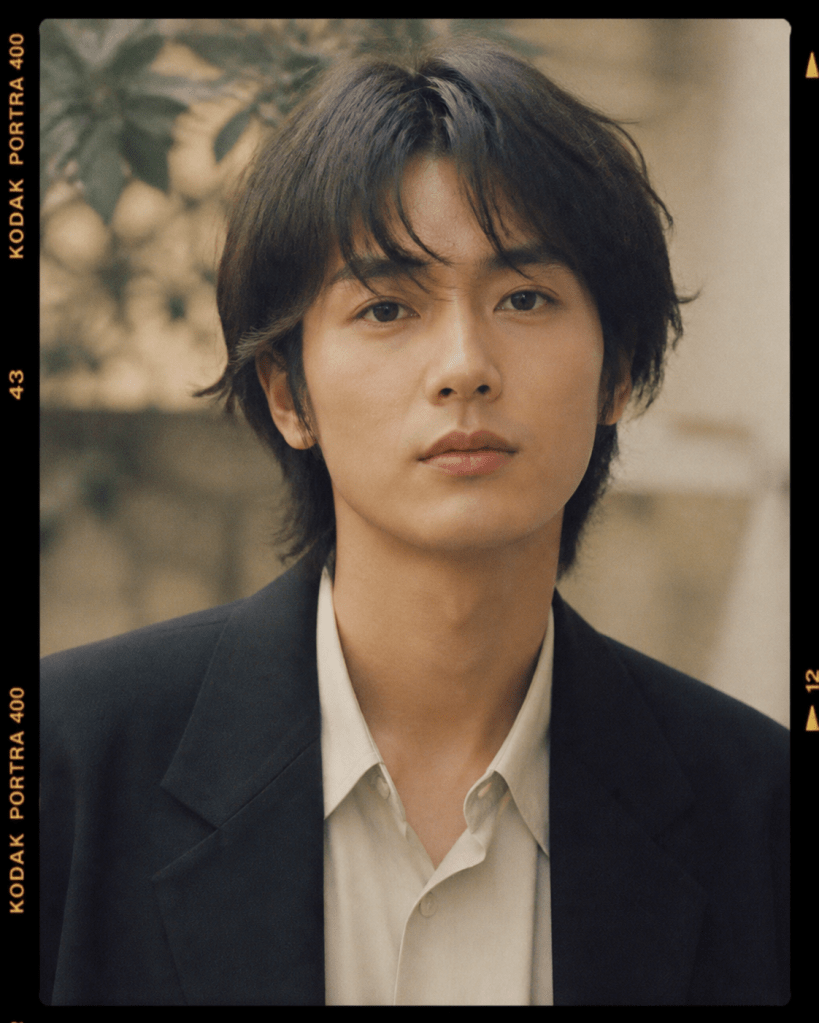
Raden, that older brother, is not just a creep in a borrowed suit. He is the carrier of everyone else’s expectation of wahyu: the chosen heir, the one whose legitimacy would be shored up by marrying the right girl from the right bloodline, at the right moment, in the right stage‑managed gala. When he introduces himself as “your future husband,” he isn’t being dramatic. He’s delivering the line he’s been handed by a system that believes marriage can anchor mandate.
“Azad 1.0.1 is where that logic becomes short drama, webtoon, and audio rather than a single prose spine.”
Oxygen vs Engine
The last year taught me an awkward truth: readers were coming for the anthropology and the diagrams, not for a neatly serialised chapter. Pinterest sent hundreds of thousands of eyes to a chaotic image lab, not to any conventional ‘read the book first’ funnel.
So I’m drawing a boundary:
– Oxygen stays free. Cultural mechanics, story‑behind‑the‑story, field notes, maps.
– The engine doesn’t. Structured scripts, duanju episodes, short‑drama arcs, full Azad story architecture.
If You’re Reading Me Here
You will not get the duanju episodes in clean serialised form here. What you will find instead are field notes with sharper teeth: columns unpacking concepts like wahyu, royal houses, and marriage as mandate; fragments showing how memoir turns into scene; images that pin key moments so you can recognise them when they surface in other media.
If you’re here, you’re standing at the edge of the map. The atlas is open. The pieces move elsewhere. I.Ph.
© 2026 I.Ph. de Lange All rights reserved. Published by CYcrds OÜ.

