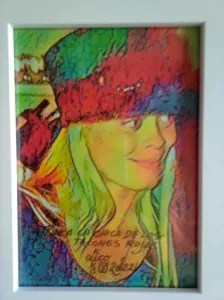
She has been loved by a stallion, a wolf, two gods, and an archangel. Or so the stories insist. She has never once let any of them write the ending.
Naples, First
Before any of it, there was Ciro — or someone like him — a summer, a city that smelled of diesel and lemons, a boy who taught her that tenere a qualcuno means something closer to holding than to loving, and that the two aren’t the same discipline. She was too naive to know which one she was doing. She would catalogue it later anyway. That’s the tell of someone who becomes a fieldworker before she ever admits she has a field.
Novi Sad, After
Marko came later, and darker. Not devotion — gravity. The kind of pull that doesn’t ask permission and doesn’t apologise when it’s done taking. She carried that gravity forward, whether she meant to or not, which is why she didn’t see Karim coming: a woman braced against one kind of danger rarely recognises the other kind, walking toward her, smiling, harmless-looking.
The One Who Never Asked to Own
Karim’s devotion arrived sideways — flirtation first, then bullets, then something that had survived both. He is the only man in her life who has never needed exclusivity to prove the love was real. Mitra, Esme — he loves elsewhere too, openly, and none of it dims what he carries for Elena. He steps aside when required and stays in the room when it isn’t. He has never once tried to be the whole story. He understood, early or by instinct, that it was the role he was meant to play.
The God Who Wanted the Whole Story
Tarmo is different, and not in the ways she expected. Anu and Odin under one skull should have made him vast and remote — instead they made him hungry. He funds her rescue and lets her feel the debt. He builds her a world and expects her to live inside the one he built. His love isn’t generous, whatever it calls itself; it’s architecture, and architecture prefers tenants to guests.
“Map it out and it begins to resemble a woman defined by who’s loved her. And yet, she isn’t.”
She has never fully worked out whether she’s the twins’ father’s obsession or Anu’s unfinished business. Possibly both. Possibly the same pattern retold under different names.
The Vow
Asdar doesn’t perform devotion. He made one promise, somewhere in the mountains, before he understood what he was promising it to, and he has spent every page since keeping it without being asked twice. No declarations, no competing for the room. Just a wolf at the door of wherever she is, whether or not she remembers to look for him there. Some men tell you they’ll stay. Asdar simply never chose to leave.
The Promise Written in Silver
Mikhail doesn’t ask to be chosen. He asks to be trusted with the parts of her no one else is allowed near — and then he guards them like it’s scripture, because to him, it is. A volcano under armour, silver-eyed, saying almost nothing and meaning all of it. His love has never once needed to be returned to be honoured.
“Some women are re‑educated by men. Some learn to catalogue meanwhile being re‑educated.” Irena Phaedra – field notes, elsewhere: Zavet 1.0.1
Who Elena Is, Underneath All of Them
Every one of them arrived into a life she was already building — a field notebook, a discipline, a habit of cataloguing the world before she allows herself to feel it. Naples taught her the difference between holding and loving. Novi Sad taught her what gravity costs. Karim, Tarmo, Asdar, Mikhail — four men, four entirely different definitions of devotion, and not one of them has ever been the subject of her own notebook. She is the one holding the pen. She always has been. Or at least, that is how the story is told.
“She has never once let them write the ending.”
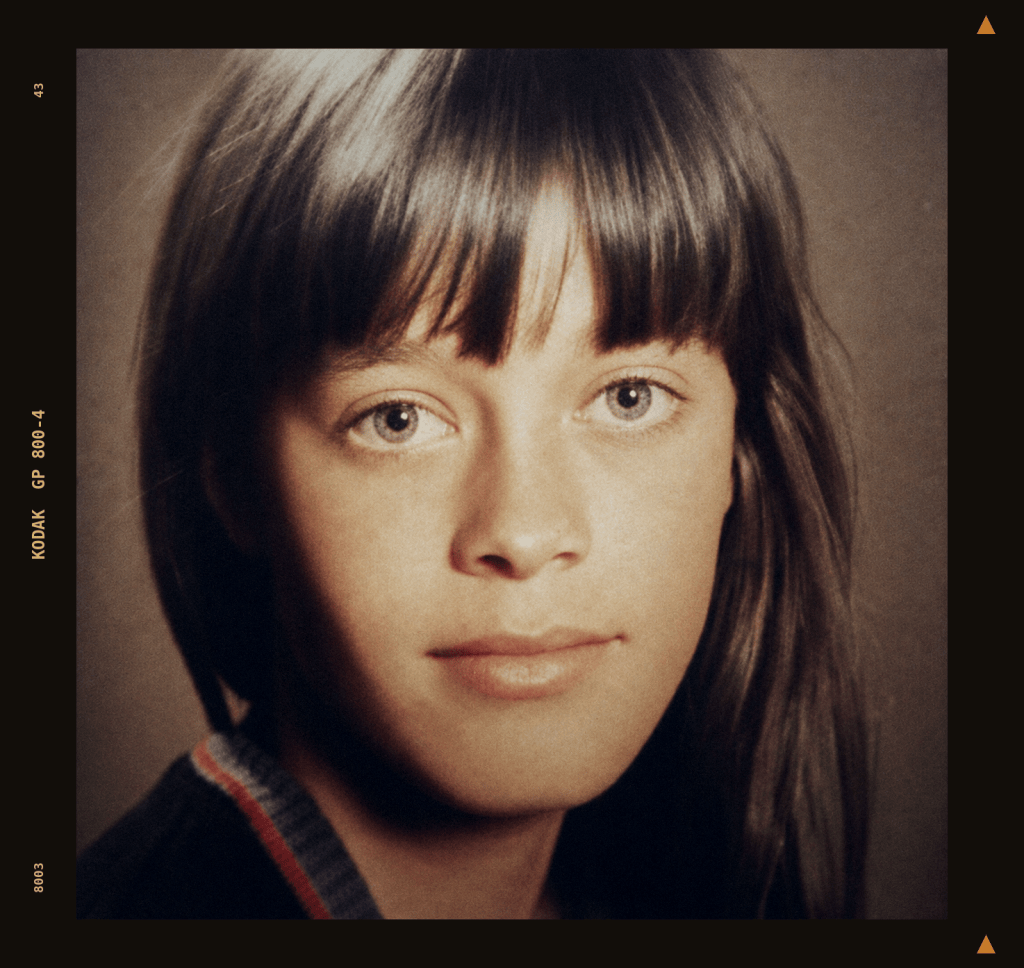
Nono: the youngest brother, gravity and warning
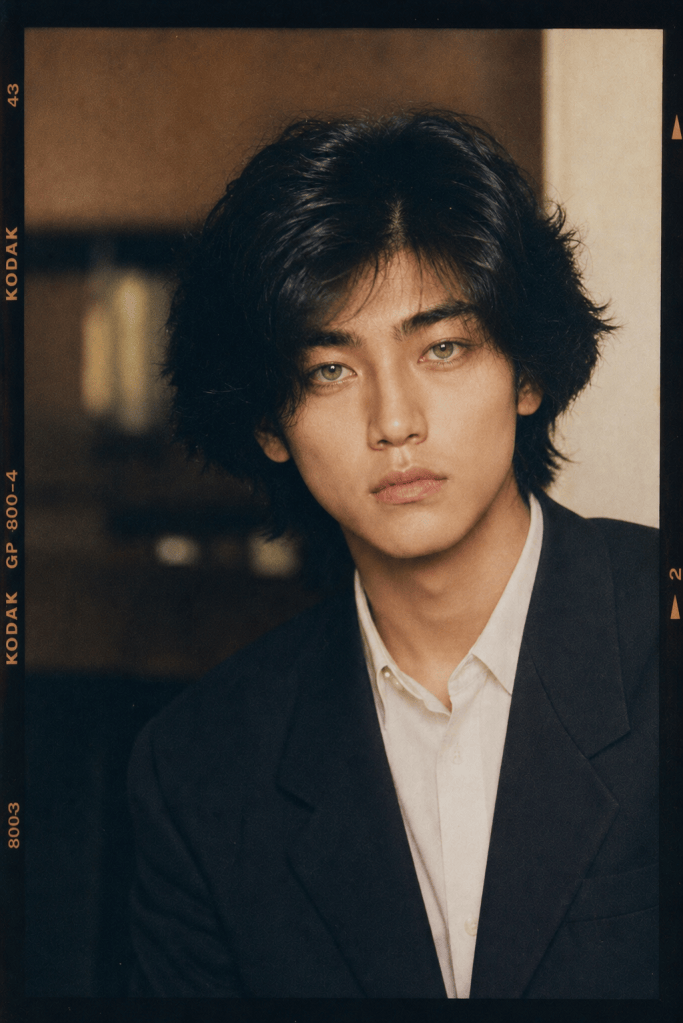
Raden: the oldest brother, promise and threat
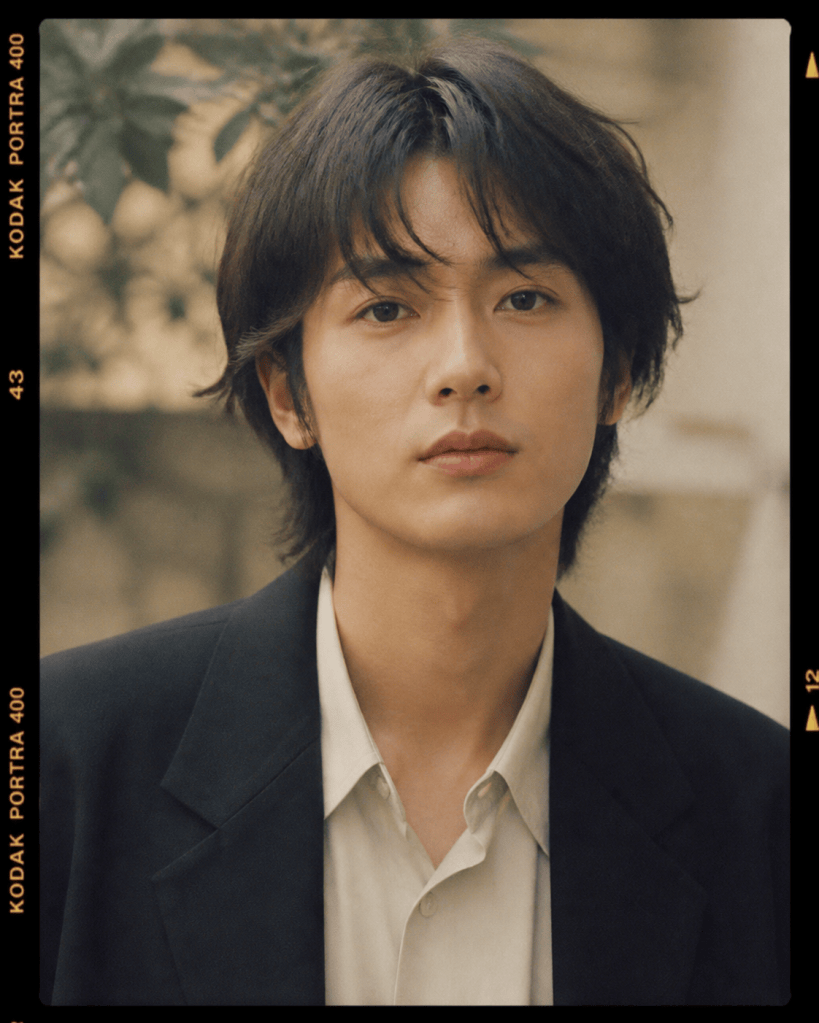
Being written at present: Zavet 1.0.1 — coming soon in ebook and illustrated print‑on‑demand editions. Irena Phaedra.
© 2026 I.Ph. de Lange All rights reserved. Published by CYcrds OÜ.
 The Memory Cartographer