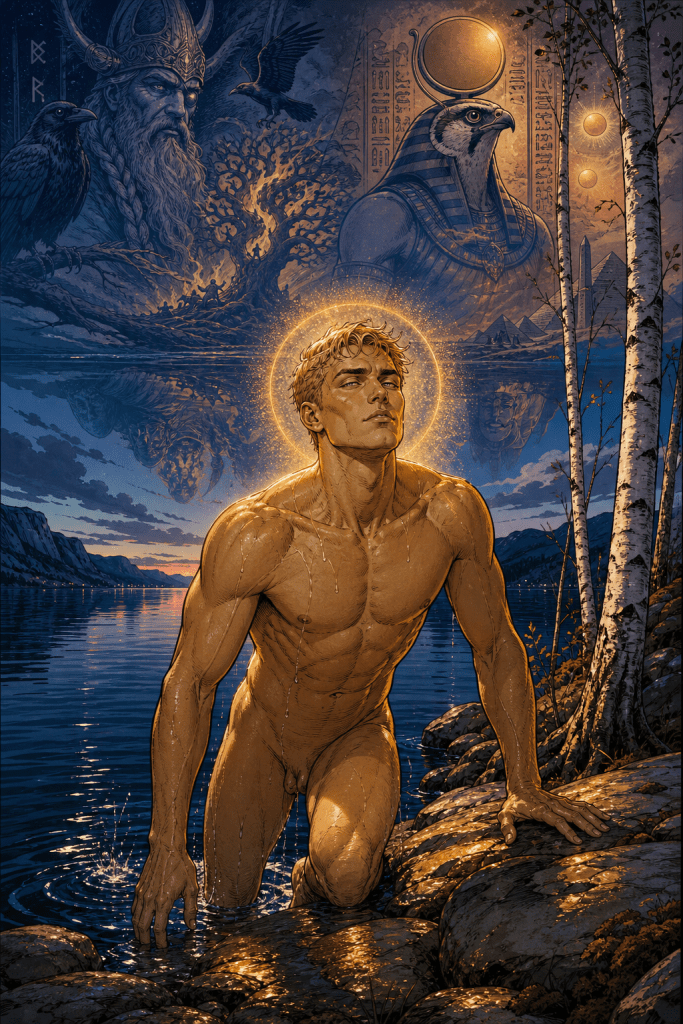
“I am Rha. I do not betray the light.”
Field Notes: Twelve Hours
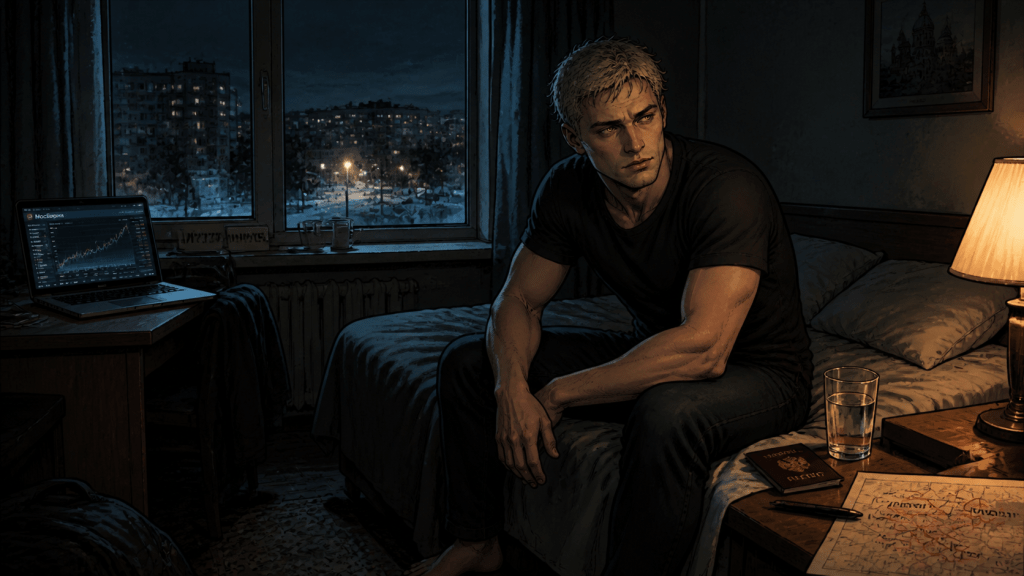
Some chapters are about magic interfering. This one is about a man trying to interfere, in a hostel room in Irkutsk, with a bottle he keeps picking up and putting back down.
Reclaiming What’s His
Three months gone — presumed dead by some, witnessed swallowed by others — Tarmo resurfaces in a Siberian internet café that smells like decades of cigarette smoke, and starts rebuilding the only kind of power he ever fully trusted: money, infrastructure, leverage.
The call to Hasna Benhali is pure negotiation, stripped down to its bones. No warmth offered, none really expected. “Does it matter?” he says, when she asks what happened to him. It doesn’t, at least to the version of him running this conversation. Twelve hours, she gives him, to restore his access. Twelve hours, and then he explains everything.
He hangs up before she can finish her sentence. That’s the whole relationship, in one gesture.
The Test He Almost Fails
Then the vodka, and the splitting.
I am Rha. I am the sun. I see everything. I am Odin. I am the all-father. I know everything worth knowing. I am Tarmo. I am Estonian. I survive by being merciless.
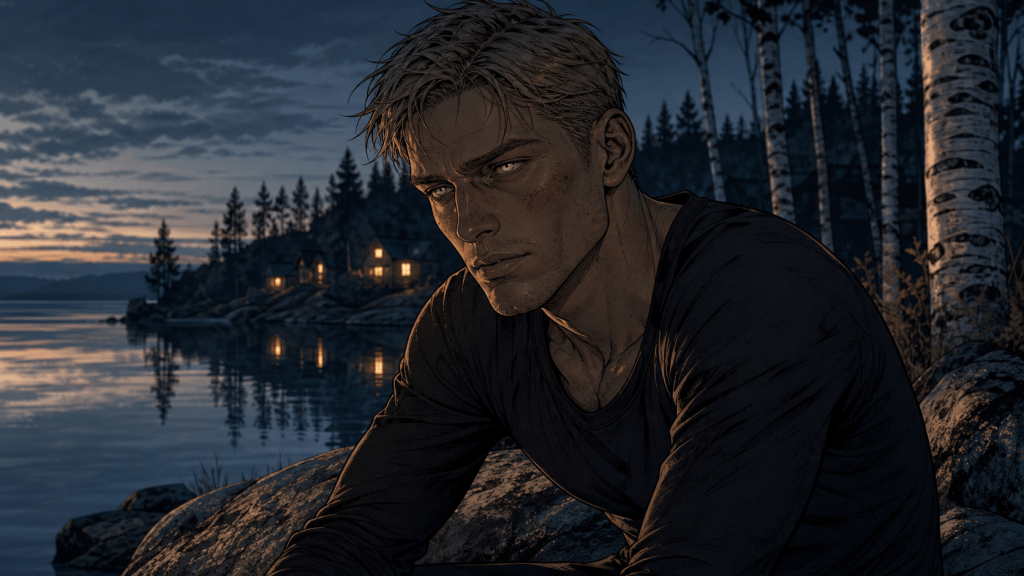
Three voices, one man, and the oldest of carried — Odin, the pattern that has repeated across every lifetime, promised Elena everything and then sacrificed her for one more move ahead — starts making its case. Use the Trust. Find her children. Leverage. Efficient. The kind of move that wins.
He reaches for the bottle again.
And something in him — Rha, the part of him that burns through lies rather than tells them — flares hot enough to burn the alcohol out of his blood before he can drink his way into becoming the betrayer one more time.
This is the test, he thinks, in a language older than either god’s name. Every time I reach for power the old way, I become him again.
Winning One Round
He passes it. Barely. Sets the bottle down, opens a window into the Siberian cold, and tells himself, in the sun’s own certainty, that he does not betray the light.
But a man who has spent three thousand years failing the same test in different eras doesn’t get to declare victory after one round. Whatever’s still unresolved in him doesn’t stay quiet for long — and the twelve hours Hasna gave him are already running out.
I’ve met men like him. Not gods, obviously (I want to believe) but that same particular alchemy of charm and control, the certainty that loving someone and owning them are the same instinct wearing different clothes. Life puts you in rooms with all kinds of people, and some of them stay with you long after the door is closed. Writing Tarmo this week meant writing someone actively losing an argument with himself, in real time, with no narrator around to tell him — or reader — which voice to trust. I don’t know yet which one wins. I’m sure he does neither. Irena Phaedra.
Read the full series: The Memory Cartographer on Kobo
© 2026 I.Ph. de Lange All rights reserved. Published by CYcrds OÜ.
A Note on Rha
Readers familiar with the sun-god will notice the extra letter. This isn’t invention. Transliteration from oral traditions is never a clean act — every scribe who wrote the god’s name down had already decided how much breath belonged to him.
The h marks that breath. In the river-clan dialects, the old name split: Ra for the temple version, smoothed for court and empire; Rha for those who kept the aspirated form, the harder exhale between tongue and teeth. An archivist I leaned on for this book put it more plainly than I could: write it Ra if you like, but the oldest hymns still scald the throat on the way out. Sing them under open sky and you’ll hear why.
I kept the h. It costs something to say — which, in this world, is usually a sign you’re saying it right. I.Ph.