The Early Crown
Benidorm / The Netherlands, 1990/91
I was walking through the garden of Arte when a waiter came to tell me there were girls asking for me.
In the main hall stood Anja and Chantal, sunburned and peeling, backlit by the entrance.
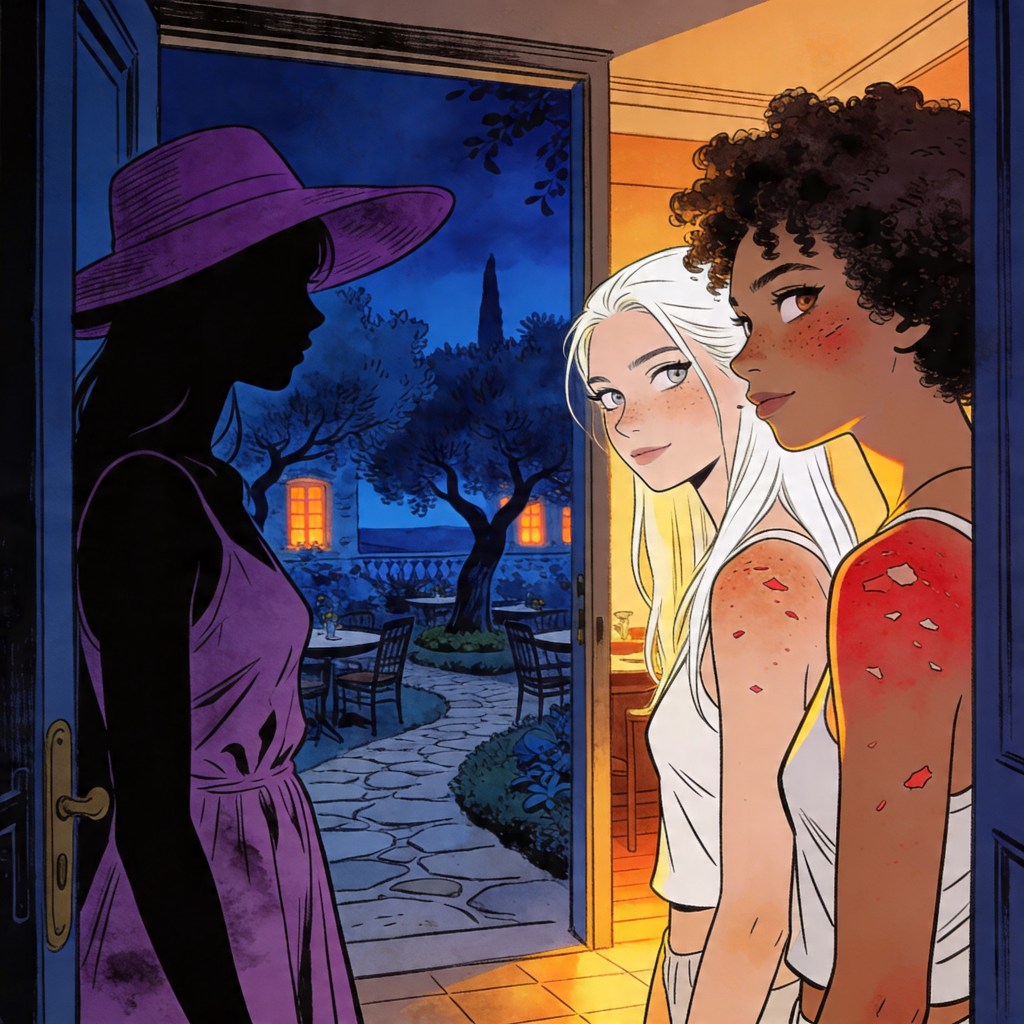
Arte sits past the discothèques, outside Benidorm proper — not the kind of place you stumble on.
I kept my surprise about how they’d found me and asked what they needed. Without hesitation: could they stay at my house?
Fever, lost money, the particular exhaustion of a holiday gone wrong. Against better knowing, I said yes.
I watched them recover on my food.
A few mornings later they sat on my bed together — both of them, which should have been a signal — and confessed a prank. Chantal had dated my ex after returning from Benidorm the previous summer. It had ended badly.
They had sent a mourning crown to his family. With my name on it.
I withheld comment. I couldn’t see the joke.
The holidays ended. Chantal went home. Anja stayed, missing her family, unable to find work, while I moved between Arte and Barinas working myself hollow. A sad Christmas. Then one evening Sergio appeared in the portal — tall, quiet — and I understood how that would end too.
That winter I met Michiel, the sleek pilleboer from Brabant with his Mercedes and his Jazz music and his house in Campomanes with no hot water. He brought me home once and I sent him away — a Mercedes is not a reason. I met Gastón, the Chilean engineer who took me to l’Ousteau in Altea with his two sisters and wanted to give me his name. Neither convinced me of anything, which I considered information.
Then Anja left with Sergio without paying six months of rent. The landlady arrived at my door at dawn.
I called Michiel, who installed me in Campomanes with credit at a Belgian restaurant while he finished whatever he was finishing in Holland.
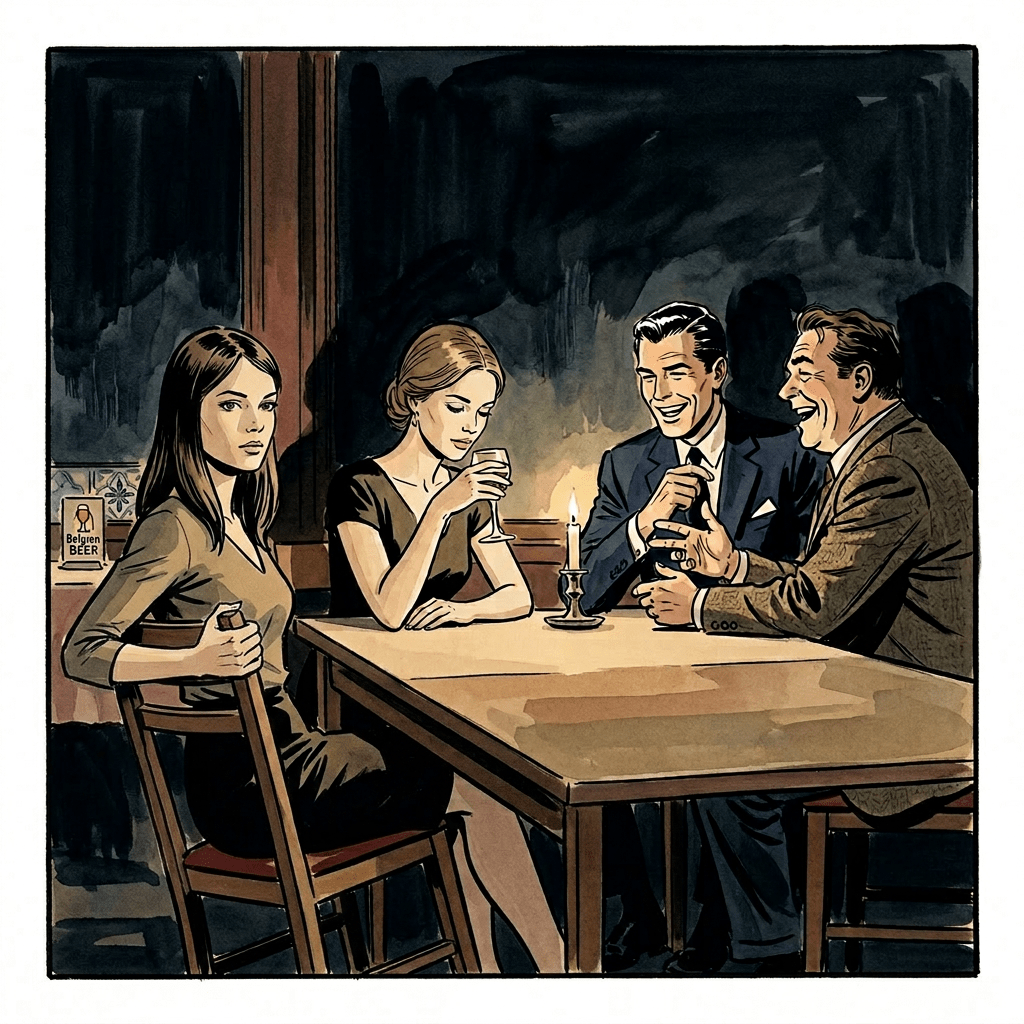
His best friend moved money through boats — large ones, discreet transactions — and one evening the four of us went out for dinner.
He and Michiel spent the evening laughing at the Russian girlfriend for spending her first salary on good lingerie. She was an absolute beauty and said very little. I read the room and left.
Back in Benidorm the landlady found me in the street and apologised. Anja and Sergio had done the same thing in another apartment. The world is reliably small.
By then I had lost my passport somewhere in the moving. The embassy gave me a paper.
I used it to travel north — no house, no documents, a new life already making itself known inside me.
Gastón called every day.
My mother, who had once asked me on the phone whether Milo was van kleur — loudly enough that he heard it — had revised her position on the matter of race now that an engineer with money and a marriage proposal had entered the picture. The colour became negotiable when the credentials were right. I said nothing useful to either of them.
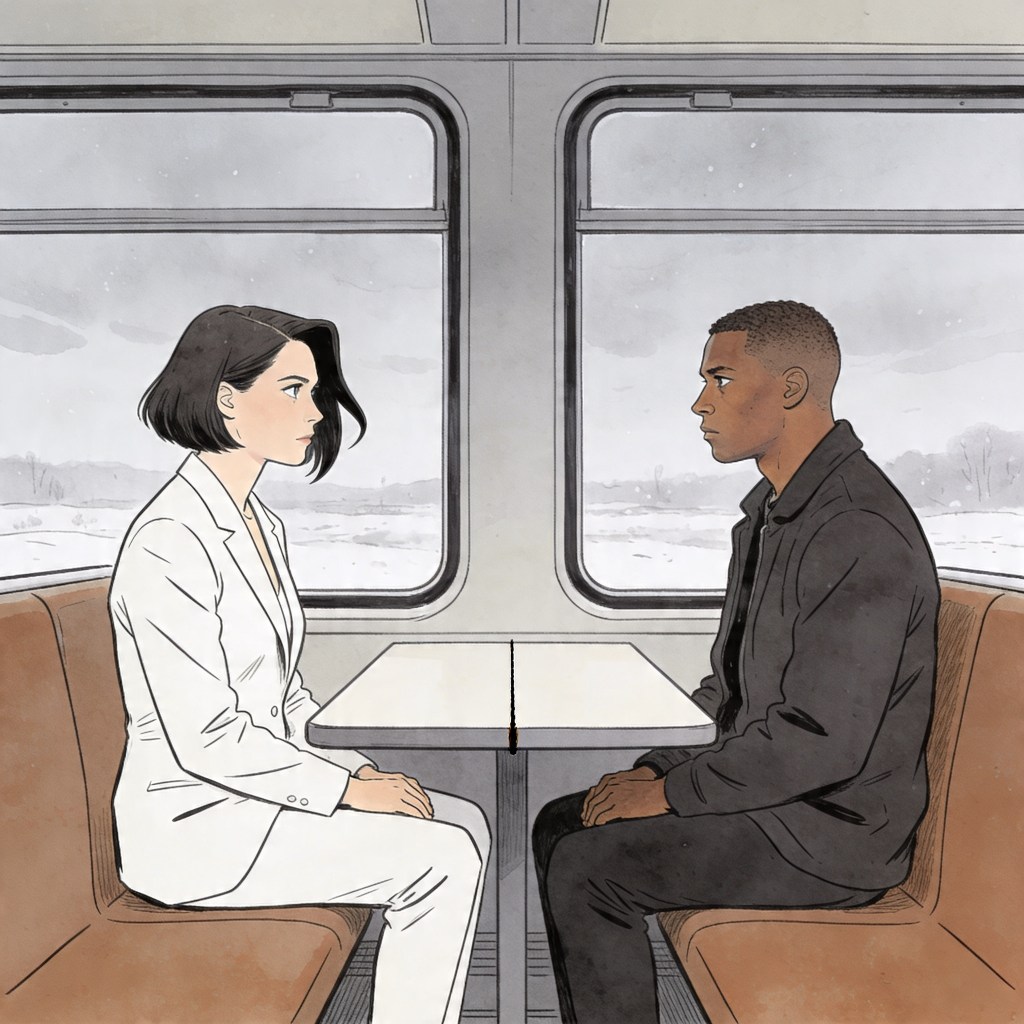
On the train from Schiphol to Amersfoort, Milo sat down across from me.
He was as handsome as his brother Rolando but bigger, more serious. He had been in that room when my mother’s voice came down the line. He knew exactly what I had come from. He asked, without bitterness, without claim, if I had found my place in Spain.
I had broken his heart. He had cried, the real kind. And here he was on a train asking after me like someone who had simply wished me well and meant it.
The mourning crown had been sent too early.
I didn’t know that yet.
I believed for thirty years what two sunburned girls had told me as a prank — that he was gone, that my name had been on the wreath.
I’m no longer certain it wasn’t a prank at all.
I neither stayed for long, soon enough I returned to Spain.
I understood nothing to find there and encounter anything here.
I.Ph.
© 2026 I.Ph. de Lange. All rights reserved. Published by CYcrds OÜ.

