
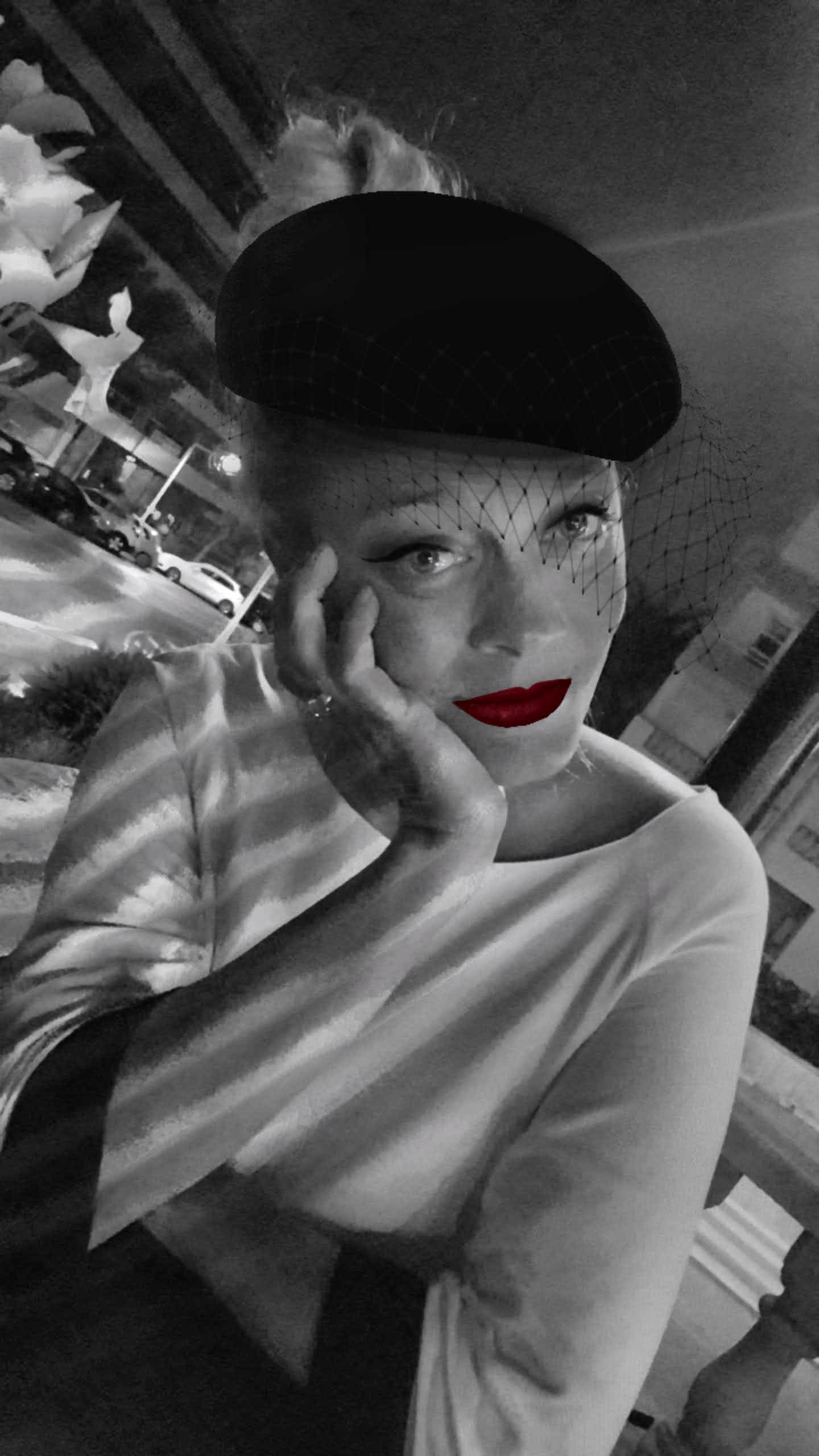
The beauty of being both the researcher and the subject – doing the kind of participant observation that only comes from living the question.
Life, for many of us, unfolds as a kind of theatre. We step onto the stage as children, inheriting roles from our families, our cultures, and the silent expectations that drift through the air. We learn our lines early—protector, nurturer, rebel, peacemaker—sometimes without ever questioning who wrote the script or why we keep performing it. The applause we seek is often just the echo of old survival strategies, and the spotlight, at times, feels more like an interrogation lamp than a beacon of belonging.
As Jean Shinoda Bolen writes, “We are all the heroines and heroes of our own stories, but sometimes the story we’re living isn’t the one we would have chosen.”
Recognising this is the first step toward authorship.
In my own inner theatre, the mother and the daughter have always played the lead. Their performances have been shaped by necessity, not choice—by the lack of safe space to develop, to rest, to simply exist without vigilance. The mother protects, the daughter seeks approval, and both are haunted by the sense that safety is always just out of reach. Anthropology reminds us that these roles are not unique; they are the blinking stars of a constellation formed by generational patterns and cultural scripts. We inherit not just eye colour or temperament but also the unfinished business of those who came before us.
But why did I take on these roles in the first place? It’s easy to speak of stardust and archetypes, but the truth is far messier. We are, at certain ages, little more than hormonal sandbags—tossed about by biology and circumstance. When your parents are preoccupied with their own survival, you’re left to find your own way through the wilderness. The road to Oz is not paved with certainty, but with borrowed shoes and companions who are just as lost. Each of us tries on roles—protector, peacemaker, even invisible observer—hoping one will fit or at least get us a little further down the yellow brick path. We become experts at adaptation, not out of choice but necessity.
Nietzsche, never one for sugar-coating, reminds us:
“One must still have chaos in oneself to be able to give birth to a dancing star.”
If that’s true, then perhaps all this inherited chaos is just raw material for my own constellation.
Therefore, the roles we play are not ours to keep forever and rewrite, redirect or instead make the theatre a homestead.
As Antoine de Saint-Exupéry wrote (and as Goult might echo): “What is essential is invisible to the eye.”
Our greatest strengths are often the ones we cannot see—gentleness, surrender, the courage to be soft.
When the roles become too tight, I remember: I am made of stardust. This is not just poetic fancy but a scientific fact. The atoms that compose me were forged in ancient stars, scattered across the cosmos, and gathered here by chance and gravity. Belonging, then, is not something to be earned through performance or perfection—it is our birthright. To let go of the need to belong or to be the strongest is to return to this cosmic truth: we are already part of something vast, mysterious, and interconnected.
Jostein Gaarder, in “Sophie’s World,” asks, “Who are you?” and reminds us that the search for meaning is as old as humanity itself.
Tolkien, too, whispers through Middle-earth: “Not all those who wander are lost.”
Stardust does not lose its way—it simply travels.
Letting go of inherited roles is not an act of abandonment but an act of self-preservation. It is the recognition that our worth is not measured by how well we play a part but by our willingness to be honest with ourselves. This can take many forms: a quiet walk, a conversation with a trusted friend, or a ritual of release. Sometimes, it is as simple as saying, “I am enough, even when I am not everything.” The art of letting go is the art of returning to oneself—gently, patiently, and without apology.
As I would write to my dear Dante, “The circles of hell have been upgraded: now they come with WiFi, self-help podcasts, and a relentless pressure to ‘find your purpose.”
And as Sartre reminds us, “Freedom is what you do with what’s been done to you.”
To let go is to choose freedom, even in the face of inherited scripts.
Perhaps the greatest wisdom is not in being the tireless protagonist of our own story but in learning to become its witness. To step back, to observe, to breathe. To allow the roles to fall away and to discover, in their absence, the quiet hum of our own being.
Steiner believed that “to truly know the world, look deeply within your own being; to truly know yourself, take a real interest in the world.”
Stardust does not strive to belong; it simply is. And in that being, it connects the entire cosmos.
May Harmony find you,
Irena Phaedra
P.S. The great Bowie sang;
Now Ziggy played guitar
Jamming good with Weird and Gilly
And The Spiders from Mars
He played it left hand
But made it too far
Became the special man
Then we were Ziggy’s band
Ziggy really sang
Screwed up eyes and screwed down hairdo
Like some cat from Japan
He could lick ’em by smiling
He could leave ’em to hang
He came on so loaded, man
Well hung, Snow White tan
So where were the Spiders
While the fly tried to break our balls?
Just the beer light to guide us
So we bitched about his fans
And should we crush his sweet hands?
Oh!
Ziggy played for time
Jiving us that we were voodoo
The kids were just crass
He was The Nazz
With God-given ass
He took it all too far
But, boy, could he play guitar!
Making love with his ego
Ziggy sucked up into his mind, ah
Like a leper Messiah
When the kids had killed the man
I had to break up the band
Oh, yeah!
Ooh
 The C.O.M.C. Files