
The Alchemy of Offering: Souls, Archetypes, and Ants
There’s a peculiar wisdom in watching ants ignore chocolate cake. Yesterday, I found myself doing just that—placing sweet crumbs beside a plant where the industrious little creatures had made their home. It was a small offering, a peace treaty of sorts, to redirect their paths away from my writing space. Yet by morning, the evidence remained untouched: generosity, unacknowledged.
This seemingly trivial moment became a mirror reflecting life’s greater patterns. How often do we offer pieces of ourselves—time, love, sacrifice—with expectations of how they should be received? And how usually do those offerings sit like abandoned crumbs while those we hoped to nourish pursue their own inscrutable paths?
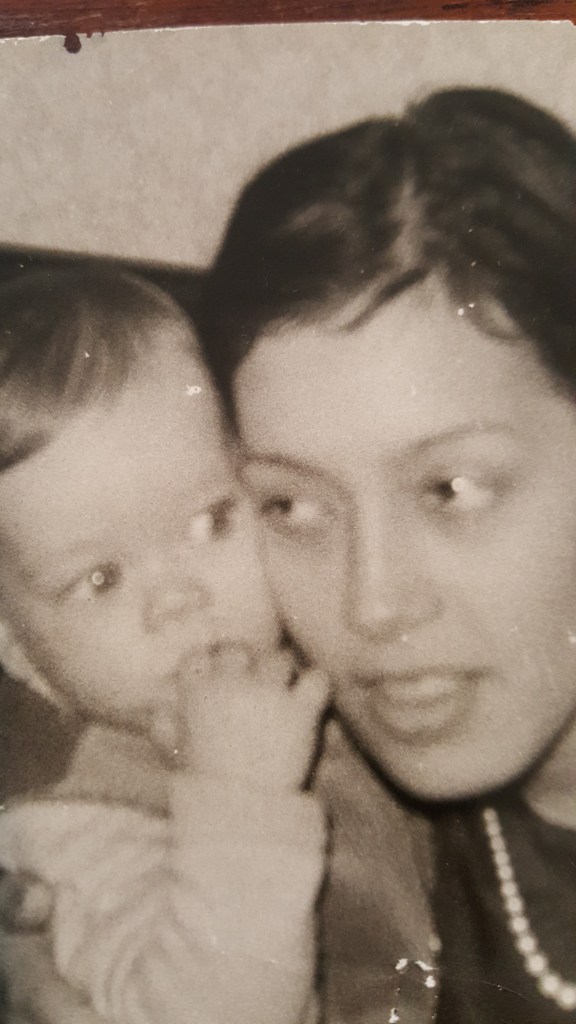
Such musings lead me back to an ancient belief: that souls choose their journeys before birth, selecting their teachers, challenges, and companions. My mother once told me this when I was demanding and wished for another mother instead of her. “All parents are chosen by their children,” she said with conviction. At the time, I believed her, filing it away with other magical childhood notions. Yet now I wonder: if true, what inexplicable cosmic contract did we sign? What lessons were we determined to learn from one another’s wounds?
We are all dealt hands at birth—some with more resources than others—but advantages rarely guarantee safe passage. The promised land remains elusive regardless of our starting coordinates. Maps handed down through generations sometimes lead us astray; love, that most trusted compass, occasionally points toward shipwreck rather than shore.
In pondering this, I think of Jean Shinoda Bolen and her work with archetypes—the inner gods and goddesses that shape our choices often without our conscious awareness. Nurturing Demeter, wild Artemis, and wounded Persephone dance through our lives like unseen choreographers. These archetypes illuminate the patterns we embody in how we love, how we mother, and how we navigate the labyrinthine voyage called life.
I also recall the Kalash women and their sacred relationship with crows. In their tradition, these birds are not harbingers of death but messengers between worlds—carriers of soul wisdom. The women adorn themselves with vibrant attire and crow feathers as symbols of groundedness and flight, sacrifice and self-preservation. They understand what many of us forget: that nurturing requires balance—a delicate dance between connection and detachment.
Watching those untouched crumbs this morning, I recognized a truth both simple and profound: it isn’t the nourishment offered but the hunt that sustains us. It isn’t the cake but the recipe—the creation process—that matters most. The horse can be led to water but never forced to drink. These truisms echo through generations because they hold a persistent truth.
The soul—that essence of self beneath roles and relationships—is mine alone to mind. Not my mother’s, not my children’s, not my betrayer’s. The boundaries of my responsibility end where another’s sovereignty begins. This realization is liberating yet humbling—a reminder that while we may offer freely, we cannot control how others receive.
The crows of the Kalash women (North Pakistan)(Animists) embody this wisdom beautifully. They fly between the living and the ancestors, carrying messages but never assuming responsibility for how they’re received. They teach us the art of caring deeply while honouring separation—a balance many struggle to achieve.
The crumbs remain uneaten. But in this small domestic tableau lies unexpected liberation. The archetypes that have shaped my journey—the abandoned child, the overgiving mother, the betrayed lover—need not define my future steps. I can honour these patterns while choosing to transform them consciously.
The magic I believed in as a child still manifests differently than imagined—not in the power to make others take what we offer but in the strength to continue delivering without attachment, not in controlling outcomes but in minding our own souls while releasing others to mind theirs.
And so I return to my writing desk—not bitter about uneaten crumbs but grateful for what they’ve taught me: that tending one’s own garden is not selfishness but salvation, that loving without demand is its own kind of revolution, and that writing one’s own story—even when others refuse to read it—is an act of quiet power.
In this alchemy of offering lies transformation—the transmutation of expectation into wisdom and chaos into clarity. Perhaps life is less about reaching the promised land and more about learning to find beauty in its wild terrain—even when ants ignore chocolate cake.
May Harmony find you,
Irena Phaedra
P.S. The world was on fire, and no one could save me but you
It’s strange what desire will make foolish people do
I never dreamed that I’d meet somebody like you
And I never dreamed that I’d lose somebody like you
… No, I don’t wanna fall in love (this world is only gonna break your heart)
No, I don’t wanna fall in love (this world is only gonna break your heart)
With you, with you
 The C.O.M.C. Files